Analogue vs. digital
Is Digital really as good as Analogue?
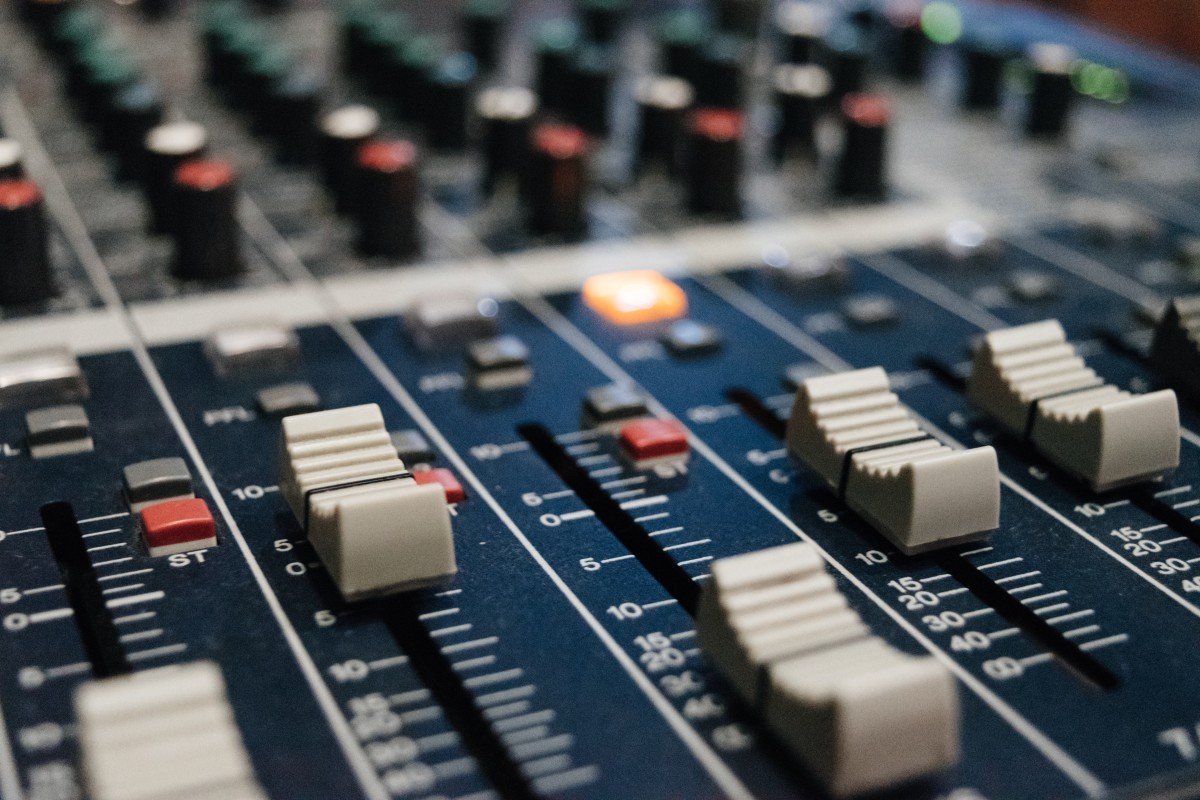
The analogue vs. digital debate has been raging since the dawn of digital audio, and I sit firmly on the analogue side. No digital software, in my view, can truly emulate the sound of analogue hardware.
Why? Analogue is, in essence, limitless. The electrical signal is the sound wave in electrical form, continuing right up through frequencies far beyond human hearing without chopping or truncation. Nothing is discretised, nothing is rounded off. Harmonic distortion, saturation, and dynamic control occur as natural consequences of the circuitry. On top of that, analogue systems evolve with time and usage — components age, input levels fluctuate, and this introduces an infinite palette of subtle variations. That unpredictability is part of the magic.
Digital, by contrast, is defined by precision and boundaries. The sound is captured and reproduced the same way every time, right up until 0dBFS, where the system hard clips. Unlike analogue’s soft, often musical distortion, digital clipping is brutal — simply chopping off anything above its ceiling, producing harsh and ugly artefacts. Digital is also finite by nature: a fixed sample rate, a fixed bit depth, a fixed number of parameter values. Limited. Linear. Predictable.
From a purely musical perspective, these differences alone are enough for me to choose analogue hardware wherever possible. That said, I don’t ignore digital’s advantages: the cost of quality analogue far outweighs digital equivalents; the digital noise floor is dramatically lower; and in many contexts, digital’s consistency is exactly what’s required. For some workflows, that reliability is more desirable than the quirks of analogue.
Still, there’s something about analogue’s character, its life, its unpredictability, that digital simply can’t capture to me. I can’t wait for the day I finally own some of my own analogue hardware. 😂